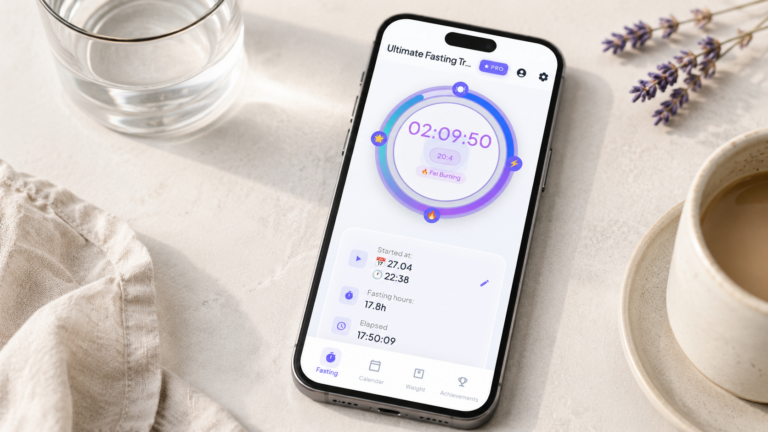
Intermittent fasting has become one of the most searched wellness trends—and for good reason. This simple eating pattern doesn’t just support weight loss; it activates powerful biological processes that improve cellular health, increase fat burning, and boost energy. If you’re looking for a sustainable strategy to improve health without strict dieting, intermittent fasting is a strong contender.
What Is Intermittent Fasting?
Intermittent fasting (IF) is an eating schedule that alternates periods of eating and fasting. Instead of focusing on what you eat, IF focuses on when you eat.
Popular methods include:
- 16/8 fasting (16 hours fasting, 8-hour eating window)
- 14/10 fasting for beginners
- 18/6 fasting for advanced
- 5:2 method, where you eat normally 5 days a week and reduce calories on 2 days
The goal is to give your body enough time without food to trigger deeper metabolic processes.
How Intermittent Fasting Boosts Fat Burning
One of the biggest reasons people try intermittent fasting is its impressive effect on fat burning.
Here’s how it works:
- Insulin levels drop during fasting periods.
- Low insulin tells your body to stop storing fat.
- Your cells begin breaking down stored fat for energy.
- Once glycogen is depleted, you enter a fat-burning metabolic state.
This metabolic shift helps your body burn fat more efficiently compared to traditional calorie-restricted diets. Many people also experience improved focus, stable energy, and reduced cravings once their body adapts to fasting.
Autophagy: The Hidden Benefit of Fasting
A major SEO-rich topic connected to intermittent fasting is autophagy—the body’s natural cellular recycling process.
During autophagy, your cells:
- remove damaged proteins
- repair malfunctioning components
- reduce inflammation
- support healthy aging
Research suggests that autophagy becomes more active after 12–16 hours of fasting, which aligns perfectly with the most popular intermittent fasting schedules.
This process is linked to improved metabolic health, better immunity, and potentially increased longevity—making autophagy one of the most powerful fasting benefits.
Additional Health Benefits of Intermittent Fasting
Beyond fat burning and autophagy, IF may support:
- weight loss without strict dieting
- blood sugar control and improved insulin sensitivity
- reduced inflammation
- better digestion due to gut rest
- improved metabolic flexibility
Because you’re not constantly digesting food, your body has more time for repair, recovery, and detoxification.
Tips for Getting Started with Intermittent Fasting
If you’re new to IF, here’s how to make the transition easier:
- Begin with a 12-hour fast, then gradually extend.
- Stay hydrated with water, black coffee, or unsweetened tea.
- Focus on nutrient-dense meals during your eating window.
- Avoid overeating when the fast ends—stay mindful.
- Be consistent; your body adapts within 1–2 weeks.
Is Intermittent Fasting Right for You?
Intermittent fasting is a flexible, science-backed approach that fits many lifestyles. It supports fat burning, activates autophagy, and promotes overall metabolic health—making it an excellent tool for long-term wellness.
If your goals include weight loss, better energy, and improved cellular health, intermittent fasting may be the sustainable strategy you’ve been looking for.