Intermittent fasting has become one of the most popular approaches for improving metabolism, losing fat, and simplifying eating habits. But one factor that many people overlook is sleep.
The relationship between sleep and intermittent fasting is extremely important. When combined correctly, they can improve fat loss, energy levels, and overall health. When misaligned, they can lead to fatigue, cravings, and poor fasting results.
In this guide, you’ll learn how sleep affects fasting, how to schedule fasting windows around sleep, and practical tips to make both work together effectively.
Why Sleep Matters for Intermittent Fasting
Sleep is one of the most powerful recovery processes in the body. During sleep, your body regulates hormones, repairs tissues, and balances metabolism.
When sleep is optimized, intermittent fasting becomes much easier.
Key benefits of combining good sleep with fasting include:
- Better appetite control
- Improved insulin sensitivity
- Increased fat burning
- More stable energy levels
- Reduced cravings
Poor sleep, on the other hand, increases hunger hormones like ghrelin and decreases leptin, the hormone responsible for feeling full. This makes fasting much harder to maintain.
The Natural Connection Between Sleep and Fasting
Interestingly, the body already practices a form of fasting every night.
If you stop eating at 8:00 PM and eat breakfast at 8:00 AM, you have already completed a 12-hour fast.
This natural fasting window during sleep is why many people find intermittent fasting easier than traditional dieting.
Sleep essentially extends your fasting window without requiring effort.
Best Fasting Schedules for Better Sleep
Choosing the right fasting window can significantly impact sleep quality.
1. Early Eating Window
One of the most sleep-friendly fasting schedules is an earlier eating window.
Example:
- Eating window: 10 AM – 6 PM
- Fasting window: 6 PM – 10 AM
This schedule allows the body to digest food before sleep and aligns well with natural circadian rhythms.
Benefits:
- Better digestion
- Improved sleep quality
- Stable blood sugar overnight
2. The Popular 16:8 Method
The 16:8 intermittent fasting schedule is one of the most common approaches.
Example:
- Eating window: 12 PM – 8 PM
- Fasting window: 8 PM – 12 PM
This works well for many people because it simply involves skipping breakfast.
However, it’s important not to eat too close to bedtime.
3. Flexible Fasting for Shift Workers
People working night shifts or rotating schedules often struggle with strict fasting windows.
In these situations, it’s better to focus on the length of the fast rather than specific clock times.
For example:
- Maintain 16 hours of fasting
- Adjust the eating window depending on when you wake up
This flexible approach helps maintain consistency even with changing schedules.
Tips for Combining Sleep and Fasting Successfully
Avoid Heavy Meals Before Bed
Eating large meals late at night can disrupt sleep and digestion.
Try to finish eating 2–3 hours before bedtime whenever possible.
Stay Hydrated During Fasting
During fasting periods, drink plenty of:
- water
- herbal tea
- black coffee (earlier in the day)
Hydration helps reduce fatigue and improves sleep quality.
Break Your Fast With Balanced Meals
When breaking a fast, prioritize foods that stabilize blood sugar:
- protein
- healthy fats
- fiber-rich vegetables
Avoid large amounts of sugar or ultra-processed foods.
Keep Your Sleep Schedule Consistent
Even with fasting, maintaining a consistent sleep routine helps regulate hormones and improve metabolism.
Try to go to sleep and wake up at similar times whenever possible.
Tracking Sleep and Fasting Together
One of the most effective ways to improve intermittent fasting results is tracking your fasting patterns alongside sleep habits.
Understanding how your sleep affects fasting duration, energy levels, and hunger can help you adjust your routine for better results.
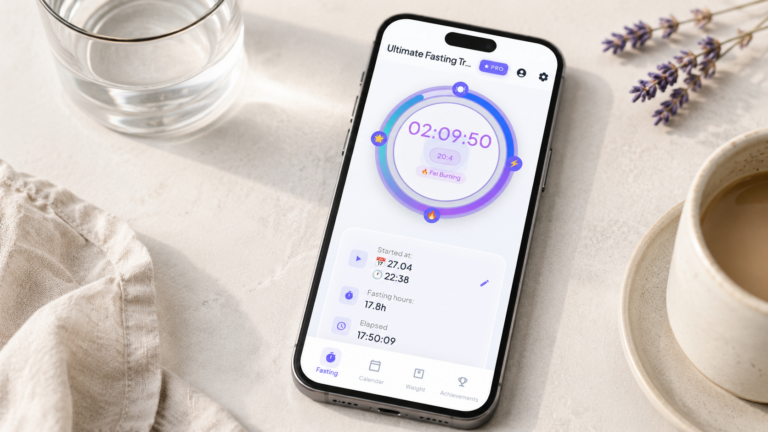
Many people find it helpful to use a fasting companion app that allows them to track fasting windows, analyze patterns, and stay motivated.
One example is Ultimate Fasting, which helps users stay consistent with intermittent fasting.
The app includes:
- an AI fasting coach that provides guidance and motivation
- leaderboards for extra motivation and accountability
- insights into fasting patterns over time
- flexible fasting tracking that adapts to different schedules
You can learn more here: https://ultimate-fasting.app
Get it FREE on Google play
https://play.google.com/store/apps/details?id=webimpact.ultimatefasting
Final Thoughts
Sleep and intermittent fasting work best when they support each other.
Prioritizing sleep, choosing a fasting window that fits your lifestyle, and maintaining consistency can significantly improve results.
When fasting and sleep are aligned, people often experience:
- better fat loss
- improved energy
- fewer cravings
- easier adherence to fasting routines
The key is to find a schedule that fits your lifestyle and allows both quality sleep and sustainable fasting habits.