Intermittent fasting sounds simple at first: you choose a window for eating and a window for fasting.
But once you actually start, you quickly realize that the real challenge is not just skipping breakfast or waiting a few more hours before your next meal. The real challenge is building a routine that feels realistic enough to repeat.
That is where many people make fasting harder than it needs to be. They start too aggressively, try to change everything at once, and then feel discouraged when they cannot keep it up.
The good news is that fasting does not have to feel extreme. With the right approach, it can become a simple daily rhythm that helps you feel more in control of your habits, your meals, and your progress.
Start with a fasting window you can actually repeat
If you are new to fasting, do not start with the most difficult schedule.
A simple 12:12 or 14:10 routine is often a much better place to begin. That means fasting for 12 or 14 hours and eating during the remaining hours of the day.
It may not sound dramatic, but that is the point. The best fasting routine is not the one that looks impressive on day one. It is the one you can come back to tomorrow.
Once your body and your schedule adjust, you can slowly move toward longer fasting windows such as 16:8, 18:6, or 20:4.
Stay hydrated during your fast
A lot of people mistake thirst for hunger, especially in the first few days of fasting.
Before you decide to break your fast early, drink some water and wait a few minutes. Very often, that uncomfortable feeling becomes much easier to manage.
During your fasting window, simple drinks are usually best:
- Water
- Unsweetened tea
- Black coffee
If your goal is a clean fast, try to avoid sweeteners, creamers, milk, juices, or anything that adds calories.
Watch the quick version
If you want a quick visual summary, you can watch the short video below. It gives a simple overview of the main fasting tips in just a few seconds.
Break your fast with real food
How you break your fast matters.
After several hours without food, it can be tempting to eat whatever is easiest. But a heavy, very sugary, or highly processed meal can leave you feeling tired, bloated, or hungry again soon after.
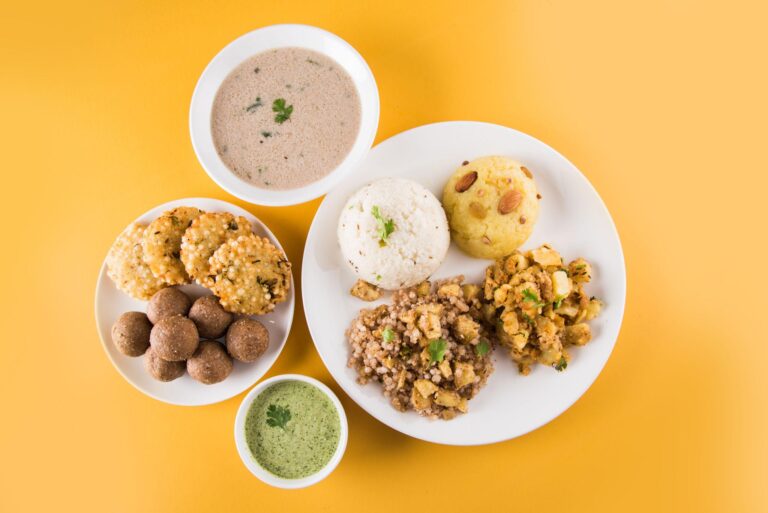
A better approach is to break your fast with a balanced meal that includes:
- Protein
- Fiber
- Healthy fats
- Whole foods
- Vegetables or fruit
Think of it as giving your body quality fuel, not just ending the timer.
Keep your meals balanced
Intermittent fasting is not only about the hours when you do not eat. Your eating window still matters.
If you want better energy, better appetite control, and a routine that feels sustainable, your meals should support your goals.
That does not mean every meal has to be perfect. It simply means choosing food that helps you feel steady instead of crashing later.
A balanced eating window can make the next fast much easier.
Don’t chase perfection
One missed day does not ruin your progress.
One shorter fast does not mean you failed.
One imperfect meal does not erase your routine.
The real goal is not perfection. The goal is consistency.
Start small. Learn what works for your schedule. Adjust when needed. Keep going.
That is how fasting becomes a habit instead of another plan you quit after a week.
Track your fasting routine
One of the easiest ways to stay consistent is to track your fasts.
When you can see your fasting window, your history, and your progress, the routine becomes clearer. You are not guessing. You are following a plan.
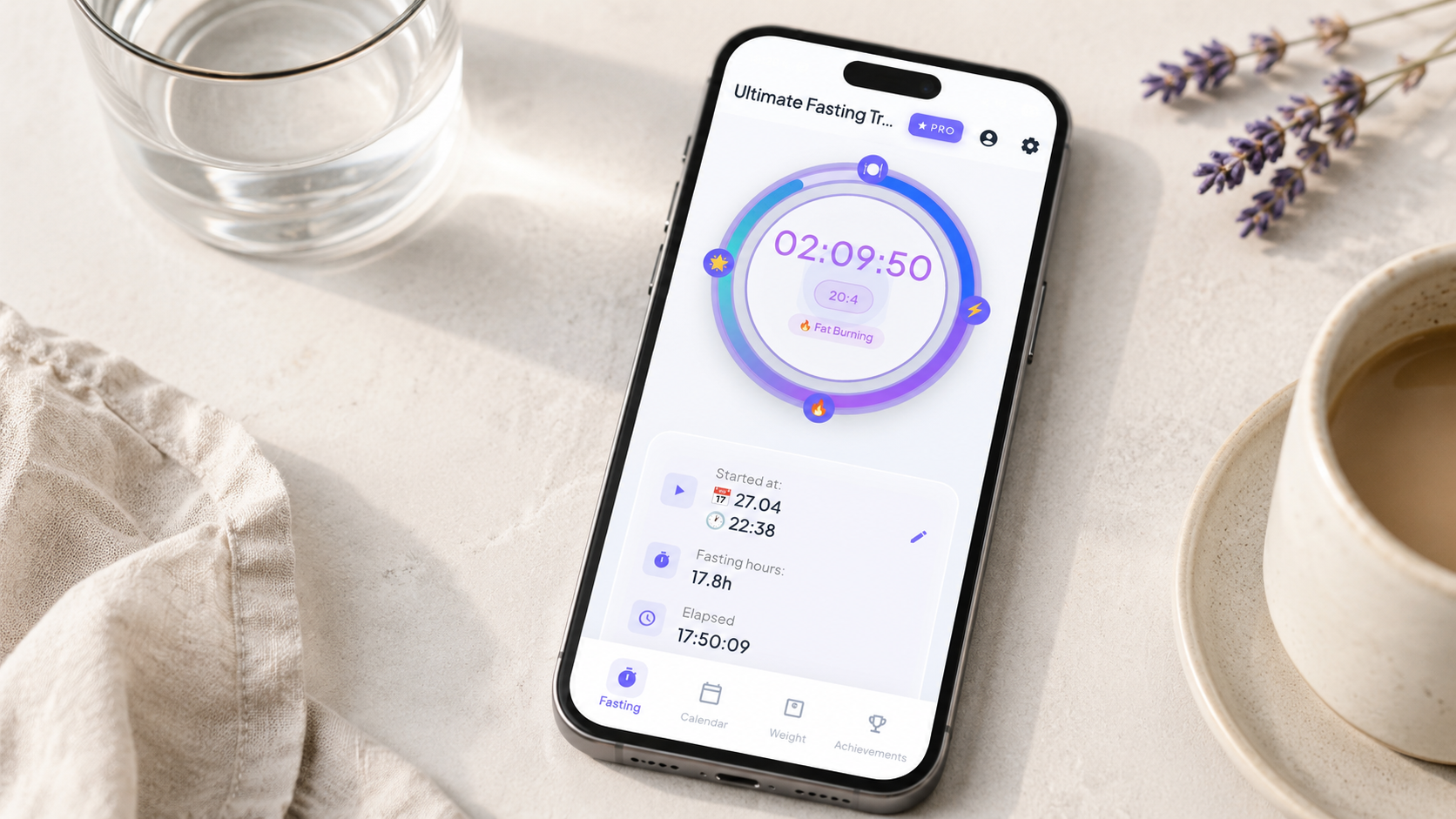
Ultimate Fasting helps you track your fasting timer, follow your progress, and build a routine that fits your life.
Whether you are starting with 12:12 or working toward longer fasting windows, having a clear timer and simple reminders can make the habit much easier to keep.
Final thoughts
Intermittent fasting does not need to be complicated.
Start with a window you can repeat. Stay hydrated. Break your fast with real food. Keep your meals balanced. And do not give up just because one day was not perfect.
Small habits build momentum.
And momentum is what turns fasting from something you try into something that becomes part of your lifestyle.