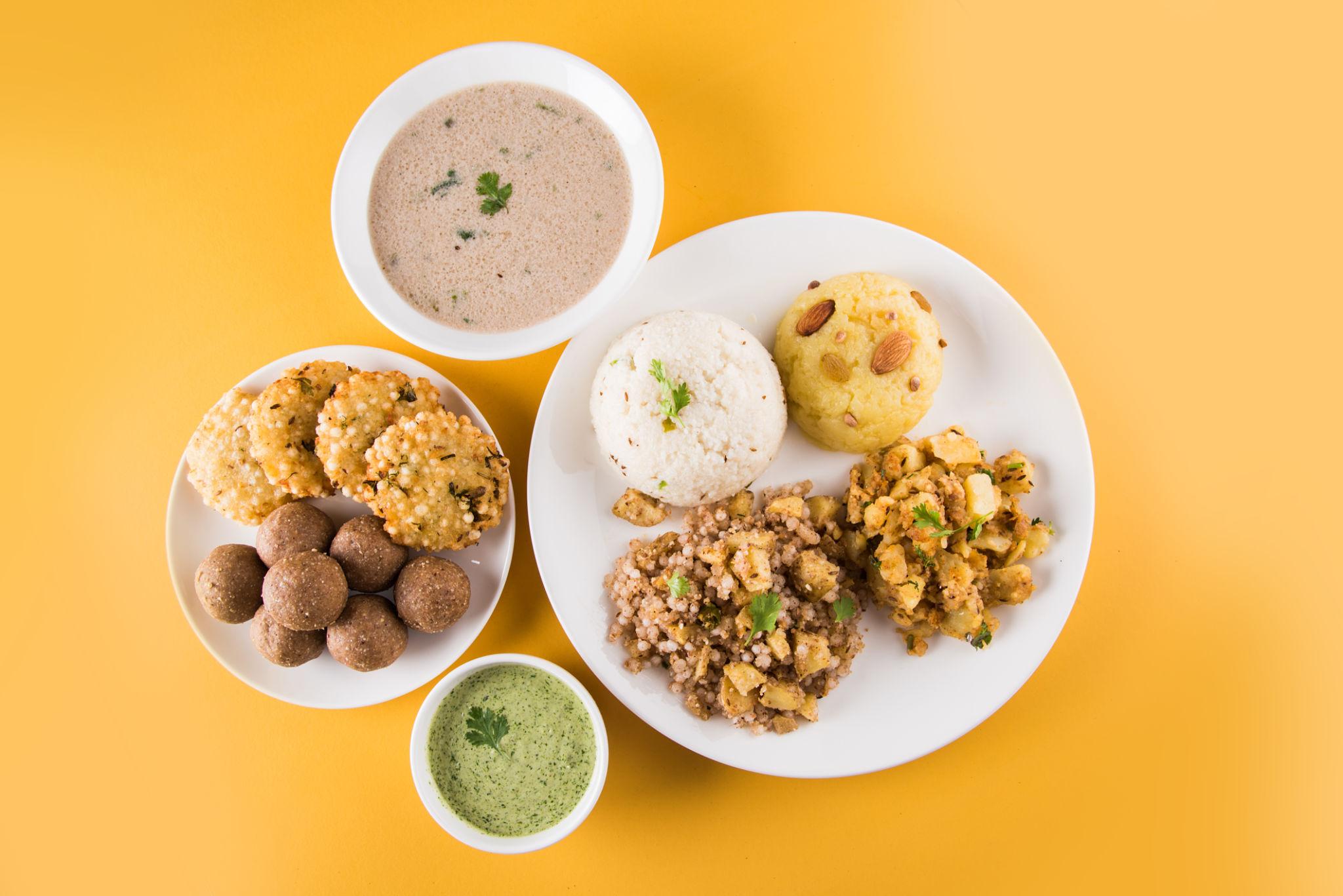
Ekadashi fasting is one of the most important fasting traditions in Hindu culture. Observed twice each month according to the lunar calendar, Ekadashi falls on the 11th day of each lunar fortnight. For centuries, people have practiced this fast not only for spiritual purification but also for mental clarity and physical health.
Today, many people around the world are rediscovering Ekadashi fasting as a powerful form of intermittent fasting, combining ancient spiritual discipline with modern wellness science.
What Is Ekadashi?
The word Ekadashi comes from Sanskrit:
- “Eka” meaning one
- “Dashi” meaning ten
Together it means the eleventh day.
Ekadashi occurs twice each lunar month:
- Shukla Paksha Ekadashi – during the waxing moon
- Krishna Paksha Ekadashi – during the waning moon
On these days, many practitioners avoid grains and certain foods or perform a complete fast. Devotees often dedicate the day to prayer, meditation, and self-discipline.
Why Do People Fast on Ekadashi?

Traditionally, Ekadashi fasting is believed to:
- Purify the body and mind
- Strengthen self-control
- Enhance spiritual awareness
- Reduce negative habits and cravings
From a modern perspective, Ekadashi aligns surprisingly well with scientific principles of metabolic rest and intermittent fasting.
Health Benefits of Ekadashi Fasting
Many people today practice Ekadashi not only for spiritual reasons but also for health.
1. Supports Metabolic Reset
When you fast, the body shifts from using glucose to burning stored fat. This process, often called metabolic switching, can improve metabolic health.
2. Promotes Autophagy
Longer fasting windows may trigger autophagy, a cellular cleanup process where the body removes damaged cells and regenerates healthier ones.
3. Improves Digestive Rest
Avoiding heavy foods like grains allows the digestive system to rest and reset.
4. Enhances Mental Clarity
Many practitioners report increased focus, calmness, and mental sharpness during Ekadashi fasting.
What Foods Are Allowed During Ekadashi?
Traditional Ekadashi fasting excludes grains and legumes. Common foods allowed include:
- Fruits
- Milk and yogurt
- Nuts and seeds
- Potatoes and root vegetables
- Buckwheat (kuttu)
- Water, herbal tea, and coconut water
Some practitioners choose partial fasting, while others perform water fasting depending on their experience.
Types of Ekadashi Fasting
There are several ways people observe Ekadashi:
Nirjala Ekadashi
A strict fast without food or water.
Phalahar Ekadashi
A fruit-based fast.
Partial Fast
Avoiding grains and heavy foods while eating light meals.
Beginners often start with light fasting before attempting stricter forms.
Ekadashi and Modern Intermittent Fasting
Interestingly, Ekadashi fasting follows patterns very similar to modern fasting methods like:
- 16:8 intermittent fasting
- 24-hour fasting
- alternate-day fasting
Ancient traditions often understood the benefits of fasting long before modern science studied them.
Ekadashi is a powerful example of how traditional practices and modern wellness trends overlap.
Tips for Practicing Ekadashi Fasting
If you want to start observing Ekadashi, consider these tips:
✔ Stay hydrated
✔ Eat light foods before starting the fast
✔ Avoid intense workouts during fasting
✔ Break the fast gently with fruits or light meals
✔ Listen to your body
Beginners should always start gradually.
Tracking Your Ekadashi Fast
Many people today use fasting apps to track fasting windows, progress, and streaks. Tracking helps maintain consistency and motivation.
If you want a simple way to monitor your fasting schedule, fasting duration, and progress, you can try:
👉 https://play.google.com/store/apps/details?id=webimpact.ultimatefasting
This app helps you track fasting sessions, monitor streaks, and stay consistent with your fasting routine.
Final Thoughts
Ekadashi fasting is a powerful tradition that combines spiritual discipline, mental clarity, and physical health benefits. Whether you practice it for religious reasons or simply as a form of intermittent fasting, it can become a meaningful part of a healthy lifestyle.
By reconnecting with ancient fasting traditions like Ekadashi, we can rediscover a simple yet powerful tool for balance, self-control, and well-being.